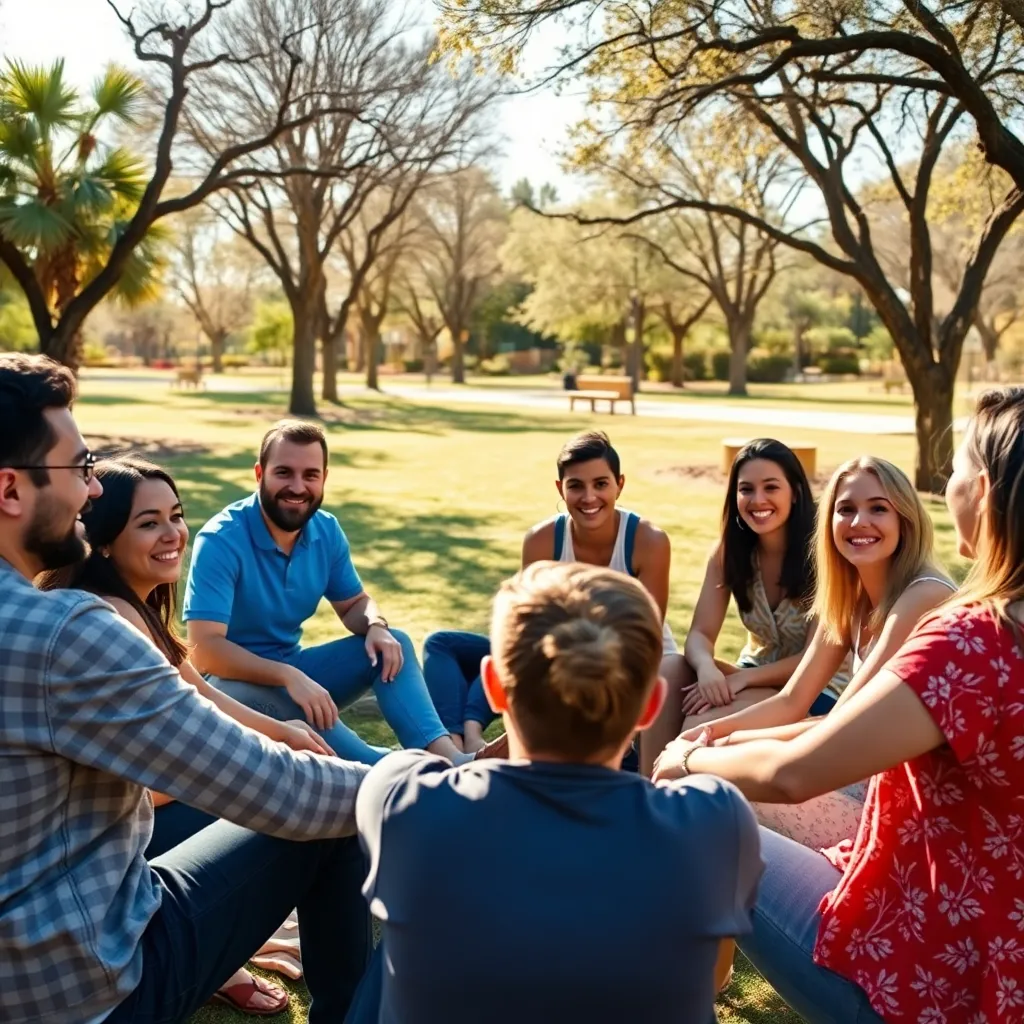
Arizona's Recovery Community: Peer Support, Sober Living, and Long-Term Resources
Recovery doesn't end at discharge. Arizona has one of the Southwest's most active recovery communities. Find peer support groups, sober living homes, and recovery coaching resources.
Getting through detox and completing a treatment program are profound accomplishments. But for most people, they are not the end of the journey — they are the beginning of a longer, richer process called recovery. And that process is far easier — and far more successful — when it happens in community.
Arizona has one of the most active and well-resourced recovery communities in the American Southwest. Whether you are newly sober, years into recovery, or somewhere in between, this guide will help you find the peer support, sober living options, and long-term resources that make sustained recovery possible.
Why Aftercare and Community Matter
The research on long-term recovery is consistent: people who remain engaged with recovery support services after completing treatment have significantly better outcomes than those who go it alone. The Substance Abuse and Mental Health Services Administration (SAMHSA) identifies four major dimensions of recovery — health, home, purpose, and community — and emphasizes that community is not optional. It is foundational.
The National Institute on Drug Abuse (NIDA) notes that addiction is a chronic condition, and like other chronic conditions, ongoing management and support substantially reduce the risk of relapse. Completing a treatment episode is not a cure; it is a beginning. The first 90 days after leaving residential treatment represent a period of heightened vulnerability. Connection to a recovery community during this period is one of the strongest predictors of long-term success.
Peer Support: The Power of Lived Experience
Peer support services are delivered by people in recovery who use their own lived experience to help others navigate the recovery process. Unlike clinical services, peer support is grounded in empathy, shared identity, and mutual aid. Research published through SAMHSA and the Arizona Department of Health Services (ADHS) confirms that peer support services improve treatment engagement, reduce relapse rates, and decrease hospitalizations.
Certified Peer Support Specialists in Arizona
Arizona has a formal Peer Support Specialist (PSS) certification program administered through the ADHS. Certified PSSs are trained, credentialed professionals — people in sustained recovery who work within behavioral health organizations to provide support, advocacy, and navigation assistance to people who are newly entering or progressing through recovery.
You may encounter peer support specialists in:
- Treatment programs during and after your stay
- Community behavioral health organizations (CBHOs)
- Crisis stabilization units
- Hospitals and emergency departments (through emergency department peer support programs)
- Recovery community organizations (RCOs)
Recovery Community Organizations in Arizona
Recovery Community Organizations (RCOs) are non-clinical organizations led by people in recovery that provide peer support, recovery coaching, and connections to community resources. Arizona has a growing network of RCOs.
Key organizations include:
Arizona Recovery Community Alliance (AZRCA): A statewide network that advocates for and supports the recovery community in Arizona. AZRCA provides training for peer specialists and connects people to recovery resources throughout the state.
Teen Challenge Arizona: Residential recovery programs with a faith-based approach for adults and young adults. Locations in Phoenix, Tucson, and Yuma.
New Life Center (Phoenix): A recovery program for women, including those who are pregnant or parenting, with long-term residential support.
CODA (Community Outreach and Development Advocates): Peer-run recovery services in the Phoenix metro area.
University Recovery Services (URS): Recovery support for college students at Arizona State University, University of Arizona, and Northern Arizona University — a growing and important population.
12-Step Programs: AA, NA, and Beyond
The 12-Step model — pioneered by Alcoholics Anonymous in 1935 — remains the most widely used peer support framework for addiction recovery in the United States. Arizona has a robust 12-Step community.
Alcoholics Anonymous (Arizona): Hundreds of AA meetings take place every day throughout Arizona — multiple times daily in the Phoenix and Tucson metro areas, and regularly in rural communities. AA is free, anonymous, and open to anyone with a desire to stop drinking. The AA meeting finder at aa.org allows you to search by location and time.
Narcotics Anonymous (NA): NA follows the same 12-Step framework for people recovering from any drug addiction. The NA World Services website (na.org) has a meeting finder for Arizona, including online meetings.
Crystal Meth Anonymous (CMA): A 12-Step program specifically for people recovering from methamphetamine addiction. Meetings are available in the Phoenix and Tucson areas.
Cocaine Anonymous (CA): 12-Step peer support for cocaine and crack cocaine addiction.
SMART Recovery: For people who prefer a non-12-Step approach, SMART Recovery offers science-based, self-empowerment-focused meetings. SMART Recovery uses principles from cognitive behavioral therapy and motivational interviewing. Meetings are available in-person in Phoenix and Tucson and online throughout Arizona.
Sober Living Homes: A Bridge from Treatment to Independence
After completing residential treatment, many people are not yet ready to return to their previous living situation — especially if that environment involves people who use drugs or alcohol, or if stable housing was a challenge before treatment. Sober living homes fill this gap.
Sober living homes (sometimes called “Oxford Houses” or “recovery residences”) are shared living environments where residents are expected to maintain sobriety, contribute to household responsibilities, and often participate in peer support or treatment. They are not treatment programs — they are structured, supportive housing.
Types of Sober Living in Arizona
Oxford Houses: The Oxford House model is a self-run, self-supported peer recovery residence. Oxford Houses require sobriety, payment of shared expenses, and democratic governance. Arizona has dozens of Oxford Houses in the Phoenix and Tucson metro areas and several in smaller cities. Find them at oxfordhouse.org.
Certified Recovery Residences: The Arizona Recovery Housing Association (AZRHA) certifies recovery residences that meet quality standards for safety, policies, and peer support. Certification provides assurance that a home meets minimum standards of quality. The ADHS and AHCCCS-funded programs may require AZRHA certification for referrals to sober living.
Gender-specific and population-specific sober living: Arizona has sober living homes specifically for women (including those with children), men, LGBTQ+ individuals, and veterans. Ask your treatment program or hotline about housing matched to your specific needs.
Faith-based recovery homes: Several faith communities in Arizona operate recovery residences that include spiritual programming alongside sobriety requirements. These can be a good fit for individuals whose recovery is connected to their faith.
Finding Sober Living in Arizona
- SAMHSA Behavioral Health Treatment Services Locator (findtreatment.gov): Includes sober living and recovery housing search
- Arizona 211 (dial 2-1-1): Local referrals to recovery housing
- AZRHA: azrecoveryhousing.org — Arizona-certified recovery residences
- Oxford House: oxfordhouse.org — self-run recovery homes
Recovery Coaching
Recovery coaches (sometimes called “recovery support specialists”) work one-on-one with people in recovery to help them navigate challenges, build on strengths, and stay connected to their recovery community. Unlike therapists, coaches do not provide clinical treatment — they provide support, accountability, and connection.
Arizona’s RBHA system and several RCOs provide recovery coaching services. Some recovery coaches specialize in working with people involved in the criminal justice system, people in early recovery, or specific populations like veterans or young adults.
Employment and Vocational Support
Rebuilding a career or finding stable employment is one of the central challenges of long-term recovery. Many people in recovery have gaps in their employment history, legal records that complicate job searches, or skills that need updating.
Arizona resources for employment and vocational support in recovery include:
- Arizona Department of Economic Security (DES) Vocational Rehabilitation program
- TERROS Health and other CBHOs that offer employment support as part of integrated recovery services
- Goodwill of Central and Northern Arizona: Employment training and placement, with experience working with people in recovery
- Arizona State workforce agencies: The Jobs Connection network provides job search assistance statewide
Recovery High Schools and Collegiate Recovery Programs
For young Arizonans in recovery, staying sober while maintaining academic progress is a unique challenge. Arizona has collegiate recovery communities at:
- Arizona State University (ASU): The Sun Devil Recovery Community offers peer support, sober events, and academic accommodations
- University of Arizona: The UA Collegiate Recovery Program provides peer community and counseling linkage for students in recovery
- Northern Arizona University: The NAU Recovery Community focuses on peer connection and campus integration for students in recovery
Celebrating Recovery in Arizona
Arizona’s recovery community is visible and celebratory. Major annual events include:
Arizona Recovery Month: Each September, events across the state celebrate recovery — walks, rallies, community gatherings, and educational programming. The ADHS and SAMHSA co-sponsor National Recovery Month nationally, and Arizona communities organize local events.
Phoenix and Tucson Recovery Walks: Annual community walks that bring together thousands of people in recovery and their families to celebrate and raise awareness.
Recovery Is Not the End — It’s the Beginning
Recovery is not just the absence of drug or alcohol use. It is a fundamentally different way of living — richer in connection, purpose, and possibility. Arizona’s recovery community represents thousands of people who have rebuilt their lives and who show up every day to help others do the same.
You do not have to earn the right to recovery by suffering long enough. The moment you are ready, the community is here.
Ready to Get Help?
Whether you are just beginning to think about treatment, in the middle of a treatment program, or looking for support after discharge, our hotline can connect you with the right resources — including peer support, sober living options, and long-term recovery services throughout Arizona.
Call the Arizona Addiction Hotline now. Recovery is possible, and you don’t have to build it alone.
Sources: Substance Abuse and Mental Health Services Administration (SAMHSA), Recovery and Recovery Support; National Institute on Drug Abuse (NIDA); Arizona Department of Health Services (ADHS), Behavioral Health Services; Arizona Recovery Community Alliance (AZRCA); Arizona Recovery Housing Association (AZRHA); Alcoholics Anonymous (aa.org); Narcotics Anonymous (na.org); Centers for Disease Control and Prevention (CDC), Opioid Overdose Prevention.
Continue Reading

Helping a Loved One with Addiction in Arizona: What Families Need to Know
Supporting someone in addiction is one of the hardest things you'll face. This guide gives Arizona families practical tools, resources, and guidance for protecting themselves while helping.

Methamphetamine in Arizona: A Crisis That Demands Attention
Arizona sits along major drug trafficking corridors, making meth widely available. Learn the scope of Arizona's meth problem, how it affects communities, and where to find treatment.